PODS Growth Factors
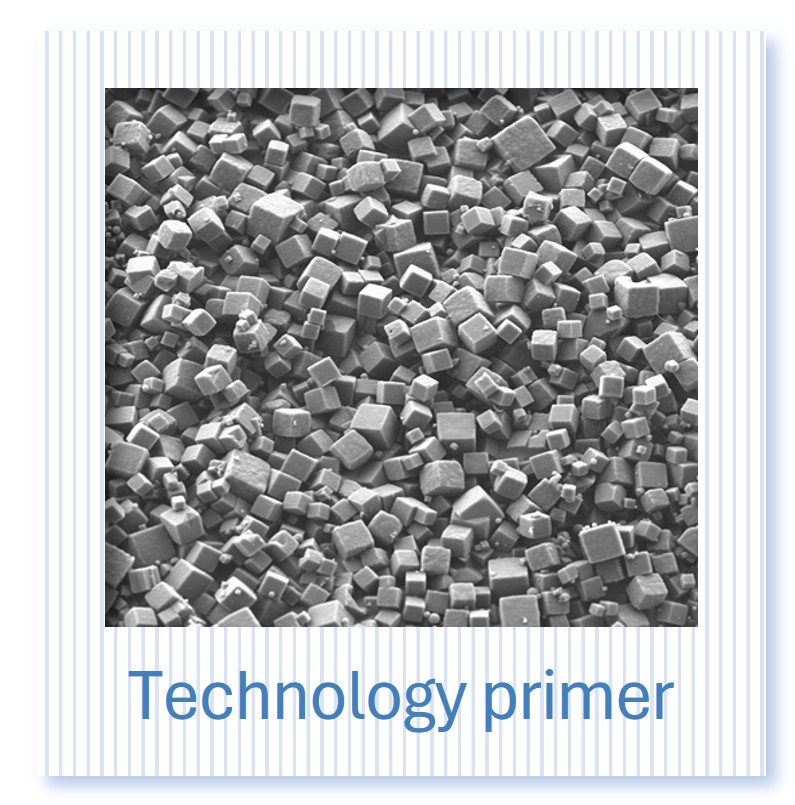
Conventional recombinant growth factors and cytokines degrade rapidly in cell culture media. FGF2, for example, has a half-life of 4-5 hours, forcing daily media replenishment, generating large concentration fluctuations, and introducing significant reproducibility challenges. PODS® (Polyhedrin Delivery System) are micron-scale crystalline protein depots that overcome these limitations by providing sustained, controlled release of bioactive growth factors over 1-3 weeks from a single addition.
Sustained-Release Depot Growth Factors for Cell Culture, 3D Scaffolds and Tissue Engineering
Each PODS® crystal encases its cargo growth factor within a polyhedrin matrix that self-assembles inside insect expression cells, protecting the protein from denaturation during purification. Active protein is released as cell-secreted proteases gradually degrade the crystal lattice, generating near zero-order release kinetics. Unlike gel-encapsulated proteins, PODS® produce no initial burst release. Cells are maintained in an optimal concentration zone for longer, resulting in reduced cellular stress and improved phenotype consistency.
Controlled Release Mechanism: Stable Cytokine Concentrations Without Daily Media Changes
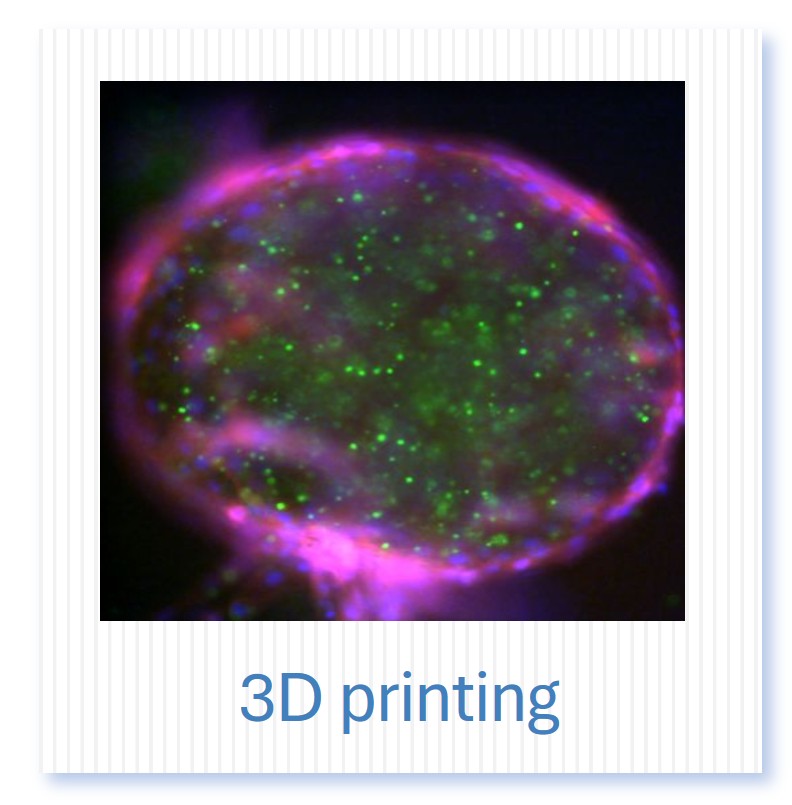
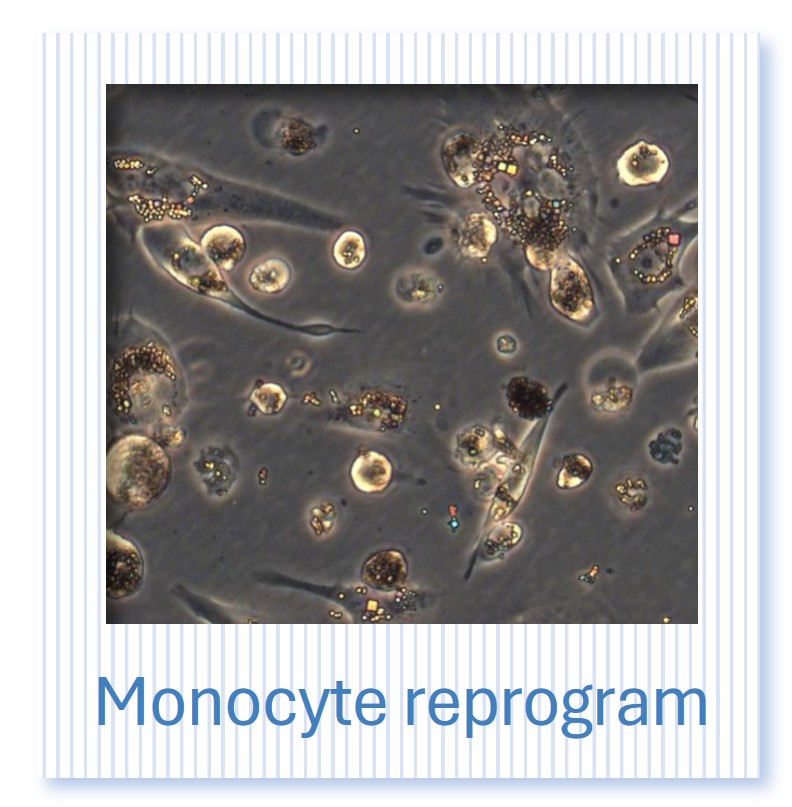
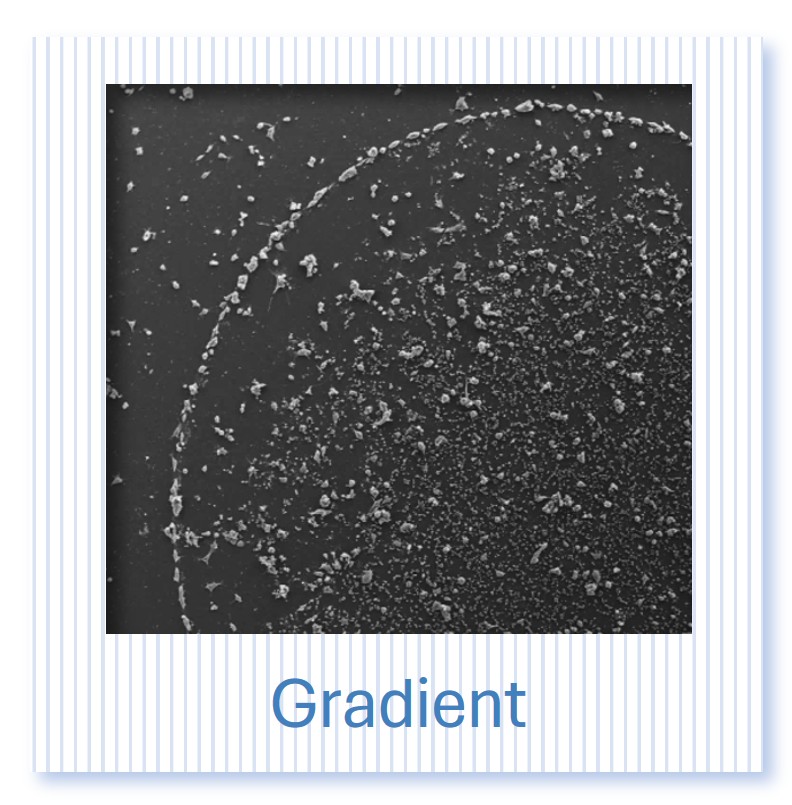
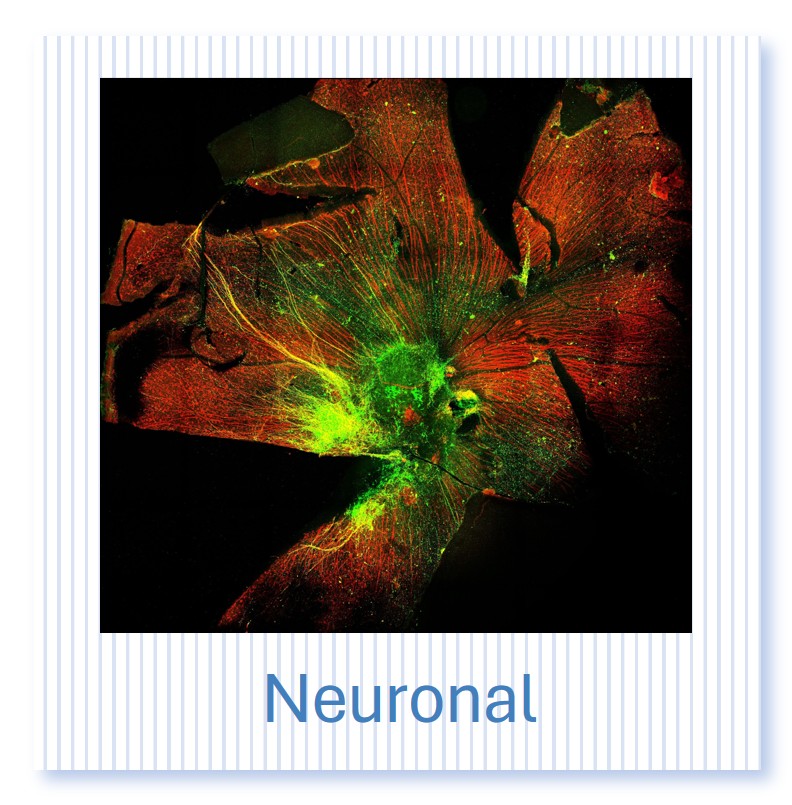
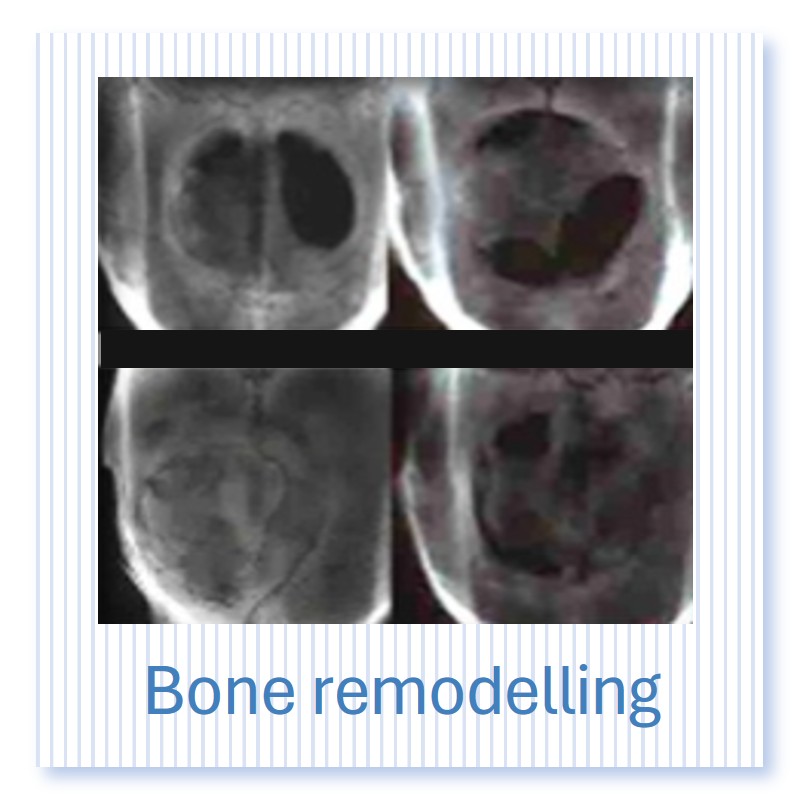
PODS® can be used in suspension, attached and immobilised to 2D surfaces, or embedded within 3D hydrogel scaffolds and ECM matrices. Their printable format enables deposition by 3D cell bioprinter to create physiologically relevant concentration gradients for patterning and directed differentiation. Applications span stem cell maintenance, iPSC culture, organoid and spheroid culture, neural differentiation, bone remodelling, wound healing models, and in vivo therapeutic delivery. Human and multi-species (mouse, rat) variants are available across a broad range of cytokine families.



Applications: Stem Cell Culture, Organoids, 3D Bioprinting, Scaffolds and In Vivo Delivery
PODS® can be used in suspension, attached and immobilised to 2D surfaces, or embedded within 3D hydrogel scaffolds and ECM matrices. Their printable format enables deposition by 3D cell bioprinter to create physiologically relevant concentration gradients for patterning and directed differentiation. Applications span stem cell maintenance, iPSC culture, organoid and spheroid culture, neural differentiation, bone remodelling, wound healing models, and in vivo therapeutic delivery. Human and multi-species (mouse, rat) variants are available across a broad range of cytokine families.