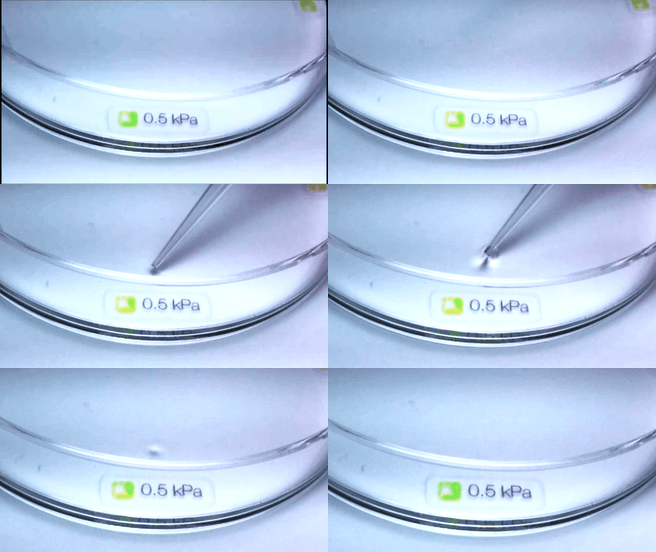
Matrigen Softwell
Hydrogel Cell Culture Plates - Defined Young's Modulus Substrates for Mechanobiology - Why Defined Substrate Elasticity Matters
Conventional tissue culture plastic has a Young's modulus of around 1–3 GPa - orders of magnitude stiffer than virtually any soft tissue in the human body. For most cell biology this goes unnoticed, but for any experiment where mechanical cues influence cell behaviour, culturing on plastic introduces a confounding variable that cannot be controlled for. Mechanotransduction, stem cell lineage commitment, cancer cell invasion, fibroblast activation, and neuronal differentiation are all profoundly sensitive to substrate elasticity. If the stiffness of the culture surface is undefined or physiologically irrelevant, the conclusions drawn from those experiments are built on an unstable foundation.
The standard solution — casting polyacrylamide hydrogels at defined crosslinking ratios — gives researchers control over Young's modulus but at significant cost. Gel fabrication is technically demanding, batch-to-batch variation is a persistent problem, and the chemistry required to functionalise the surface for cell adhesion adds further complexity. For most biology labs, it represents a substantial investment of time and expertise before the actual experiment can begin.
Softwell® plates provide the same defined, reproducible Young's modulus values in a ready-to-use multiwell format, spanning the stiffness range of physiologically relevant soft tissues — from brain-like substrates below 1 kPa through to muscle and cartilage-range stiffnesses above 40 kPa. Each plate is manufactured to a consistent specification, eliminating fabrication variability and allowing researchers to focus on the biology rather than the substrate preparation. The result is a 2D culture system where elasticity is a genuinely controlled experimental variable, comparable between experiments, between labs, and between publications.
Softwell® plates offer uniform flatness across the entire working surface and are supplied in individual foil packs, stable for 3–6 months at room temperature. For guidance on selecting the right stiffness and format for your application, visit the Matrigen Resources page.
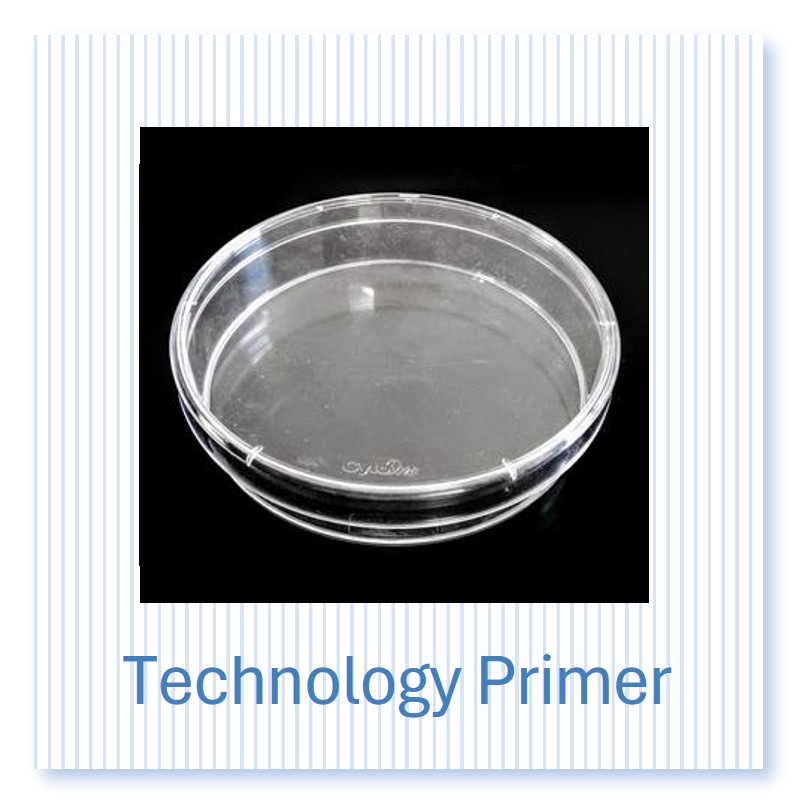
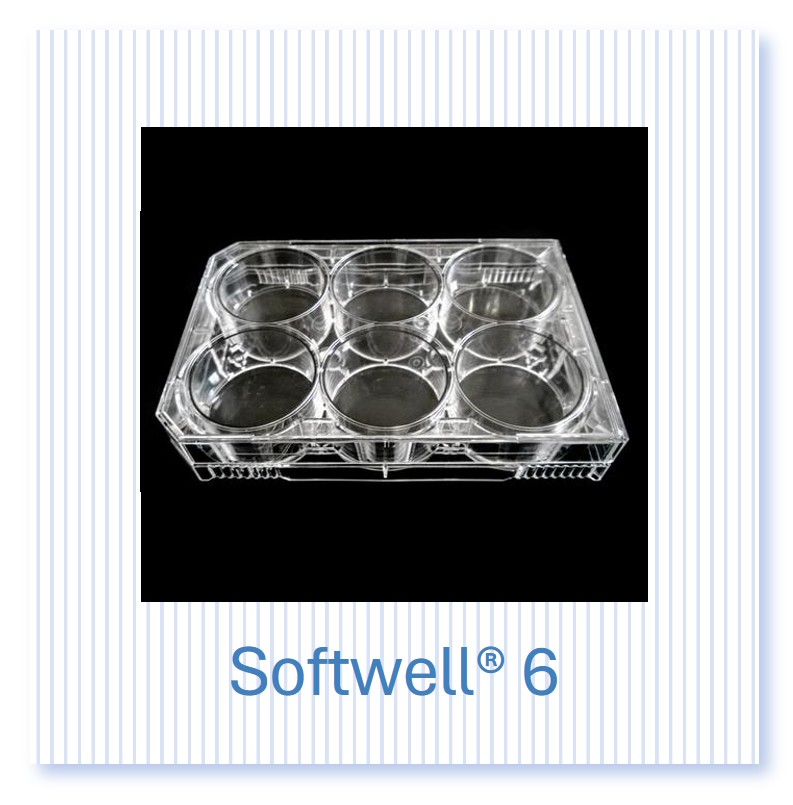
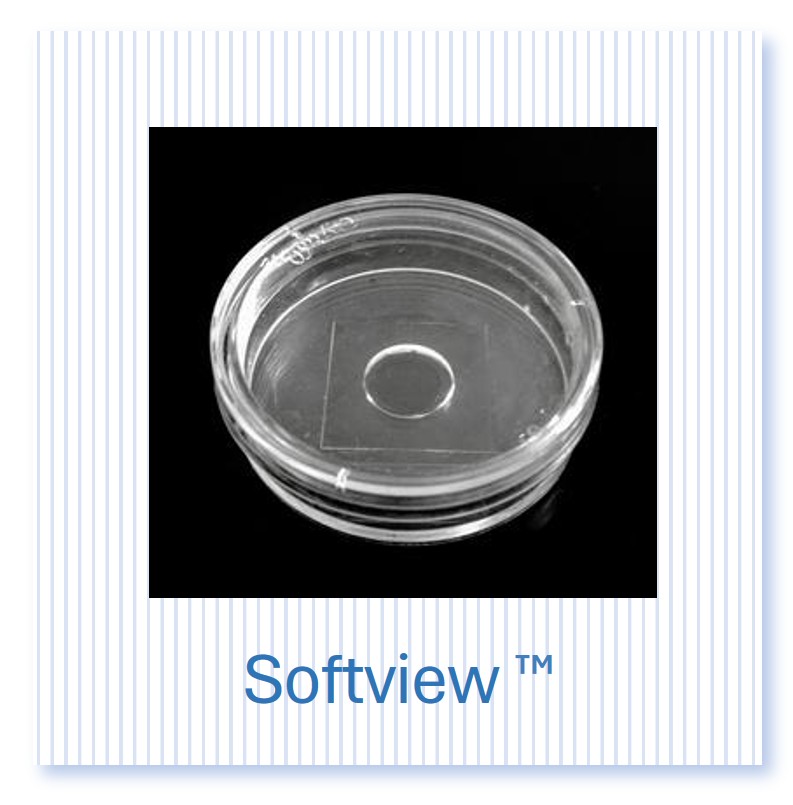
Example Products - Use the selection fields to the left to filter.
Only available in Europe. Please select UK or Europe from the top bar to see pricing.



Softwell® plates offer uniform flatness over the entire working surface of the plate. They are provided in individual foil packs which keep them in perfect condition for at least 3 - 6 months at room temperature. For some tips on selecting the products, please visit Matrigen Resources.