MSC-Derived Exosomes in Regenerative Medicine

Mesenchymal stromal cells (MSCs) have been investigated as therapeutic agents for more than two decades, initially on the basis of their capacity for multilineage differentiation into bone, cartilage and adipose tissue [1]. The expectation was that transplanted MSCs would engraft and physically replace damaged tissue. That expectation has largely not been borne out in clinical practice: transplanted MSCs show poor engraftment and survival in host tissue, yet clinical and preclinical evidence of therapeutic benefit has persisted across a wide range of disease models [2]. The resolution of this apparent paradox has been the recognition that MSCs exert their therapeutic effects predominantly through paracrine mechanisms, and that their secreted extracellular vesicles, particularly exosomes, are the principal mediators of these effects.
MSC-derived exosomes are nanoscale extracellular vesicles (EVs) of 30 to 150 nm in diameter that carry a complex cargo of proteins, microRNAs (miRNAs), messenger RNAs and lipids reflecting the regenerative and immunomodulatory phenotype of the parent cell [3]. Unlike whole-cell transplantation, exosomes cannot replicate, do not carry the risks associated with immune rejection of viable cells, and can be manufactured, characterised and stored as an off-the-shelf therapeutic product. For these reasons, MSC-derived exosomes have become one of the most actively investigated modalities in regenerative medicine, with peer-reviewed evidence spanning cardiac repair, neural regeneration, wound healing, bone and cartilage restoration, and acute organ injury.
This article reviews the biological basis of MSC exosome activity, the therapeutic evidence across key disease areas, the manufacturing and isolation considerations that determine product quality, and the tools available to researchers establishing MSC exosome programmes.
For background on exosome biology and isolation methods, see our earlier articles in this series: UC vs SEC vs TFF: Exosome and EV Isolation Methods Compared and Hidden Talents: Cancer Diagnostic EVs.
| Key Point |
| MSC-derived exosomes recapitulate the paracrine therapeutic activity of their parent cells without the risks and manufacturing challenges of whole-cell transplantation. Their cargo of growth factors, immunomodulatory proteins and regulatory miRNAs makes them a biologically active, cell-free platform for regenerative medicine. |
Why MSC Exosomes Have Regenerative Activity
The therapeutic activity of MSC exosomes is not attributable to a single molecular mechanism but to the combined action of a diverse and context-dependent cargo. Three broad functional categories account for most of the observed effects.
Paracrine signalling via protein cargo. MSC exosomes are enriched with growth factors and cytokines, including members of the fibroblast growth factor (FGF), hepatocyte growth factor (HGF), vascular endothelial growth factor (VEGF) and insulin-like growth factor (IGF) families. These proteins are packaged within or on the surface of the exosome membrane and are delivered to recipient cells in a protected, concentrated form. VEGF-bearing MSC exosomes promote angiogenesis in ischaemic tissue; HGF-containing exosomes attenuate fibrosis and promote hepatocyte survival; IGF-1-enriched exosomes activate PI3K/Akt survival pathways in cardiomyocytes under ischaemic stress [4].
miRNA-mediated gene regulation. MSC exosomes carry a reproducible and cell-type-specific repertoire of miRNAs. miR-21 suppresses pro-apoptotic PTEN and PDCD4 signalling in cardiac and neural tissue; miR-146a attenuates NF-kB-mediated inflammatory signalling in macrophages and endothelial cells; miR-126 promotes endothelial cell migration and VEGF signalling; and miR-132 is implicated in angiogenesis and neuroprotection. These miRNAs are functionally active on delivery to recipient cells, with measurable downstream effects on gene expression demonstrable in vitro and in animal models [5].
Immunomodulation. MSCs are well established as immunosuppressive cells, capable of suppressing T cell proliferation and shifting macrophage polarisation from the pro-inflammatory M1 to the anti-inflammatory M2 phenotype. MSC exosomes retain a significant part of this immunomodulatory activity, carrying surface PD-L1, TGF-beta, IL-10 and other immunosuppressive mediators. In models of acute lung injury, graft-versus-host disease and inflammatory bowel disease, MSC exosomes recapitulate the immunosuppressive effects of the parent cell and in some experimental settings exceed them [6].
Therapeutic Applications by Disease Area
The peer-reviewed evidence for MSC exosome activity now spans multiple organ systems and injury types. The following table summarises the current state of the evidence for the most-studied therapeutic areas, with key published findings.
| MSC Exosome Therapeutic Evidence by Disease Area | |||
| Disease Area | Key Cargo Mediators | Findings | Evidence Stage |
| Cardiac ischaemia | miR-21, miR-210, VEGF, IGF-1 | MSC exosomes reduced myocardial infarct size and improved cardiac function in rodent ischaemia-reperfusion models; angiogenesis and cardiomyocyte survival pathways activated [7] | Multiple preclinical studies; early phase clinical trials initiated |
| Traumatic brain injury and stroke | miR-21, miR-132, miR-146a, BDNF | Intravenous delivery of MSC exosomes improved functional recovery and promoted angiogenesis and neurogenesis in rodent TBI and stroke models [8] | Robust preclinical evidence; delivery route optimisation ongoing |
| Wound healing and dermal repair | miR-21, FGF, VEGF, TGF-beta | Adipose-derived MSC exosomes accelerated wound closure, increased collagen deposition and reduced scarring in excisional wound models; ECM remodelling confirmed [9] | Strong preclinical data; skin and diabetic wound clinical interest growing |
| Bone and cartilage regeneration | miR-196a, BMP-2, Wnt ligands | MSC exosomes promoted osteogenic and chondrogenic differentiation of resident progenitor cells; bone defect models showed accelerated mineralisation | Active preclinical; biomaterial scaffold delivery strategies in development |
| Acute kidney injury | miR-let-7c, HGF, IGF-1 | MSC exosomes attenuated tubular cell apoptosis, reduced fibrosis and improved serum creatinine recovery in cisplatin- and ischaemia-induced AKI models | Multiple preclinical studies; fibrosis attenuation mechanism well characterised |
| Liver injury and fibrosis | miR-122, HGF, anti-apoptotic proteins | MSC exosomes reduced hepatocyte apoptosis, attenuated stellate cell activation and decreased fibrosis markers in CCl4-induced liver injury models | Preclinical; interest in NASH and post-resection liver failure settings |
| Ischaemic limb / peripheral vascular disease | miR-126, VEGF, FGF-2 | iPSC-MSC-derived exosomes promoted angiogenesis and reduced limb ischaemia scores in murine hindlimb ischaemia models [10] | Preclinical; angiogenic cargo profiles well characterised |
The Role of MSC Source and Culture Conditions in Exosome Cargo
MSC exosomes are not a uniform product. Their protein and miRNA cargo is substantially influenced by the tissue source of the parent cell, the culture conditions under which cells are expanded, and any preconditioning applied before harvest. These variables are critical considerations for any research programme aiming at reproducible, therapeutically relevant exosome preparations.
MSC tissue source. MSCs can be isolated from bone marrow, adipose tissue, umbilical cord, placenta, dental pulp and several other sources. Each source yields a cell population with a distinct baseline transcriptomic and proteomic profile, and the exosomes they secrete differ accordingly. Bone marrow MSC exosomes tend to be enriched in haematopoietic support factors and BMP pathway ligands; adipose-derived MSC exosomes show comparatively higher levels of angiogenic and ECM remodelling cargo; umbilical cord MSC exosomes are enriched with growth factors relevant to fetal tissue development. Source selection should be driven by the therapeutic application, and the rationale should be documented in experimental design.
Hypoxic preconditioning. Culture of MSCs under hypoxic conditions (1 to 5% oxygen) prior to exosome harvest consistently increases the yield of VEGF, HIF-1 alpha target proteins and angiogenesis-associated miRNAs in the exosome fraction. This approach is well supported by published evidence and is a practical strategy for enriching angiogenic cargo without genetic modification [6].
Growth factor priming. Supplementing MSC culture medium with defined growth factors prior to exosome harvest can shift the exosome cargo profile towards specific therapeutic functions. For example, preconditioning with platelet-derived growth factor (PDGF) or TGF-beta amplifies pro-chondrogenic miRNA loading; priming with inflammatory cytokines such as IFN-gamma and TNF-alpha enhances immunosuppressive cargo. The use of recombinant growth factors at defined concentrations, such as those in the Cell Guidance Systems recombinant human growth factor range, provides the batch-to-batch consistency required to produce reproducible exosome preparations across experimental replicates.
| Practical Guidance |
| Exosome cargo profiles should be characterised for each new MSC donor lot, passage number and preconditioning condition. Relying on historical cargo data from a different cell lot or protocol can produce exosome preparations with substantially different activity. miRNA profiling by small RNA sequencing and targeted proteomic analysis are the appropriate tools for cargo characterisation at the discovery stage. |
Manufacturing and Isolation Considerations for MSC Exosome Research
The biological activity of MSC exosome preparations is directly dependent on isolation purity and yield consistency. Two well-characterised isolation approaches are appropriate for MSC exosome programmes, selected according to starting volume and downstream application.
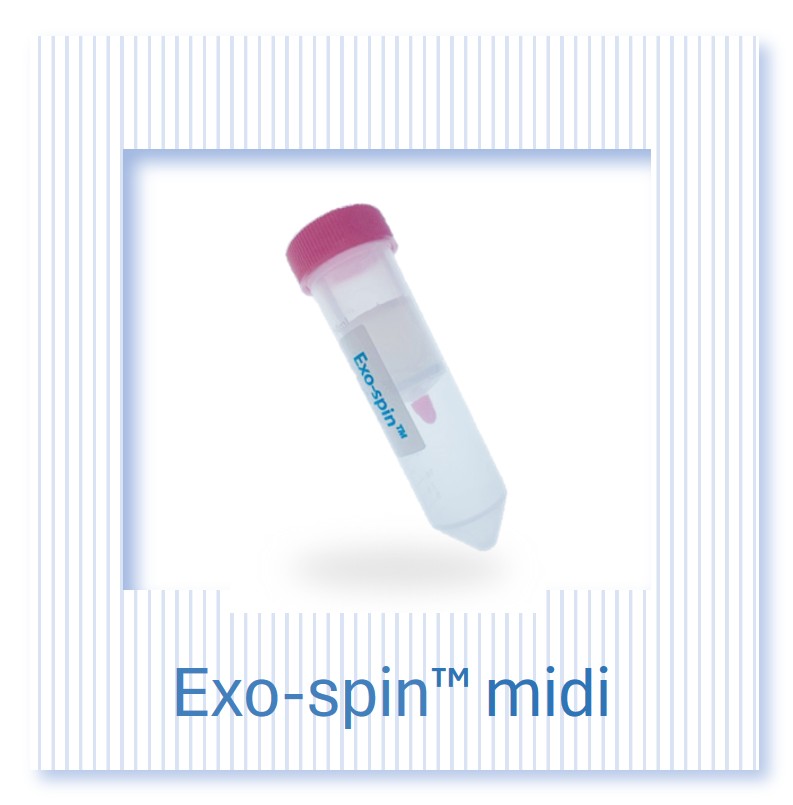
Size exclusion chromatography (SEC) for small volumes. For conditioned media volumes up to approximately 50 ml, SEC provides high-purity EV isolation with minimal co-isolated protein contamination and good preservation of exosome membrane integrity. SEC removes soluble growth factors from the conditioned medium by size exclusion, isolating the vesicle fraction cleanly. This is important in MSC exosome research because conditioned media is rich in secreted proteins that would otherwise confound downstream functional assays. Exo-spin SEC kits from Cell Guidance Systems provide a rapid, validated SEC workflow for research-scale MSC exosome isolation.
Tangential flow filtration (TFF) for large-volume programmes. MSC exosome manufacturing at scale for preclinical therapeutic studies requires processing of large conditioned media volumes, typically from multi-layer flask or bioreactor cultures. TFF enables concentration and partial purification of exosomes from several litres of conditioned media in a single continuous run, with retention of biological activity superior to ultracentrifugation. For MSC exosome programmes scaling from laboratory to GMP-compatible workflows, TFF upstream of SEC is the recommended strategy. The EVlution TFF system provides closed-path, disposable sample-contact surfaces that are compatible with downstream clinical translation requirements.
MISEV2018 characterisation requirements. MSC exosome preparations intended for publication or preclinical therapeutic use must meet the minimum reporting standards defined in MISEV2018 [4]. These require positive tetraspanin markers (CD9, CD63, CD81), particle concentration and size distribution by nanoparticle tracking analysis (NTA), total protein quantification, and the absence of negative markers (calnexin, albumin) confirming preparation purity. These measurements are the minimum required before functional assays can be reliably interpreted.
| MISEV-Compliant Characterisation for MSC Exosome Preparations | ||
| Measurement | Method | Purpose |
| Particle concentration and size | NTA | Confirms vesicle presence; provides dosing denominator (particles/ml) |
| Tetraspanin positive markers | Western blot or ExoLISA (CD9, CD63, CD81) | Confirms exosome identity; required for MISEV compliance |
| Total protein content | BCA assay | Particle-to-protein ratio; indicates preparation purity |
| Negative markers | Western blot (calnexin, albumin) | Excludes ER contamination and plasma protein carry-over |
| Morphology | Transmission electron microscopy | Confirms cup-shaped vesicle morphology; recommended for therapeutic studies |
| Cargo profiling | Small RNA sequencing; quantitative proteomics | Documents lot-to-lot cargo consistency; required for therapeutic characterisation |
Engineered MSC Exosomes: Cargo Loading Strategies
Native MSC exosomes are already biologically complex products, but a growing body of research has explored strategies to further enhance their therapeutic cargo through engineering. These approaches fall into two categories: those that modify the parent MSC prior to exosome harvest, and those that load cargo directly into isolated exosomes.
Parent cell engineering. Transfection of MSCs with plasmids or viral vectors expressing therapeutic miRNAs or proteins results in their packaging into secreted exosomes. This approach has been used to load exosomes with specific miRNA mimics targeting neurodegeneration, oncogenic pathways or fibrotic signalling. The advantage is that endogenous loading mechanisms are used, producing exosomes with physiological cargo distribution. The disadvantage is the regulatory and safety complexity of using genetically modified cells.
Direct cargo loading. Small molecules, siRNAs and proteins can be loaded into isolated exosomes by electroporation, co-incubation, sonication or freeze-thaw cycling. Electroporation is the most widely used method for nucleic acid loading, though membrane integrity must be confirmed post-loading by NTA and tetraspanin western blot. Direct loading of recombinant growth factors into exosomes is an alternative strategy for creating growth factor-enriched therapeutic preparations, particularly for wound healing and tissue repair applications. The availability of well-characterised, research-grade recombinant growth factors at defined specific activity, such as the Cell Guidance Systems human growth factor range, is a prerequisite for reproducible cargo loading experiments.
PODS growth factor integration. For tissue engineering and biomaterial applications requiring sustained local growth factor delivery, PODS (Polyhedrin Delivery System) growth factors from Cell Guidance Systems offer an alternative to exosomal delivery: crystalline polyhedrin matrices that protect encapsulated growth factors from degradation and release them gradually over days to weeks. In scaffold-based regenerative medicine applications, PODS proteins and MSC exosomes can be used as complementary delivery systems, with PODS providing sustained structural signalling and MSC exosomes delivering the immunomodulatory and miRNA cargo.
Regulatory and Translational Considerations
MSC-derived exosomes occupy a regulatory space that varies by jurisdiction and intended clinical indication. In most major regulatory frameworks, cell-derived exosomal products intended for human therapeutic use are classified as advanced therapy medicinal products (ATMPs) or biological medicinal products and are subject to GMP manufacturing requirements. For academic research programmes, the key translational milestones are establishing a reproducible, well-characterised exosome manufacturing process and demonstrating safety and activity in appropriate preclinical models.
Several features of MSC exosome products are favourable from a regulatory and translational perspective. Exosomes do not replicate, substantially reducing risks associated with oncogenic transformation. They can be manufactured from allogeneic MSC master cell banks, enabling off-the-shelf product development. Their relatively small size (30 to 150 nm) means they can be sterile filtered at 0.22 micron, an advantage over larger vesicle populations in terms of terminal sterilisation. Storage as lyophilised or cryopreserved preparations is feasible and has been demonstrated to preserve biological activity [5].
| Exosome Isolation and Characterisation at Cell Guidance Systems |
| Cell Guidance Systems provides a complete portfolio of EV isolation and characterisation tools for MSC exosome research, from small-volume SEC kits to large-scale TFF systems, quantitative tetraspanin assays and outsourced MISEV-compliant characterisation services. View EV and Exosome Services at cellgs.com |
Cell Guidance Systems Products for MSC Exosome Research
Exo-spin SEC kits. For research-scale MSC conditioned media volumes, Exo-spin size exclusion chromatography kits provide rapid, high-purity exosome isolation. The SEC format removes free proteins, including the abundant growth factors present in MSC conditioned media, ensuring that downstream functional assays reflect vesicle-mediated rather than soluble protein activity. Available in mini, midi and maxi formats for volumes from 100 microlitres to 50 ml.
EVlution TFF system. For large conditioned media volumes from multi-layer flask or bioreactor MSC cultures, the EVlution TFF system concentrates exosomes in a single continuous run with disposable sample-contact surfaces and Switch Flow technology enabling retentate recovery below 10 ml. Designed for scale-up from laboratory to preclinical manufacturing workflows.
ExoLISA assays. ExoLISA CD9, CD63 and CD81 assays provide quantitative tetraspanin detection across MSC exosome preparation lots, enabling standardised inter-lot comparisons and MISEV-compliant characterisation without the variability of western blot.
Recombinant human growth factors. The Cell Guidance Systems recombinant human growth factor range covers key MSC conditioning factors including FGF-2, EGF, TGF-beta, PDGF, HGF and VEGF, with defined specific activity and lot-to-lot consistency required for reproducible MSC preconditioning protocols.
PODS growth factors. PODS crystalline growth factor products provide sustained, protease-resistant delivery of over 30 human growth factors for biomaterial and scaffold-based regenerative medicine applications, complementing MSC exosome delivery in combination tissue engineering strategies.
NTA particle analysis service. For laboratories without in-house NTA capability, the Cell Guidance Systems NTA size profiling service provides MISEV-compliant particle concentration and size distribution analysis for submitted EV preparations.
Summary: Key Decisions for MSC Exosome Research Programmes
| MSC Exosome Research: Decision Guide | |
| Decision Point | Recommendation |
| Small-volume conditioned media (under 50 ml) | Exo-spin SEC isolation |
| Large conditioned media volume or bioreactor output | EVlution TFF followed by Exo-spin SEC |
| Reproducible MSC preconditioning | Cell Guidance Systems recombinant human growth factors at defined specific activity |
| MISEV tetraspanin quantification | ExoLISA assays (CD9, CD63, CD81) |
| Sustained local growth factor delivery (scaffold applications) | PODS growth factors |
| No in-house NTA or characterisation capability | CGS EV Service Package |
MSC-derived exosomes represent a biologically rational and practically accessible approach to cell-free regenerative medicine. Their cargo of growth factors, immunomodulatory proteins and regulatory miRNAs positions them as a versatile therapeutic platform across ischaemic, inflammatory and degenerative disease settings. Translating this potential into reproducible experimental data requires rigorous attention to MSC source selection, preconditioning protocol, isolation purity and MISEV-compliant characterisation at every stage of the research programme.
References
[1] Pittenger MF, Mackay AM, Beck SC, et al. Multilineage potential of adult human mesenchymal stem cells. Science. 1999;284(5411):143-147.
[2] Caplan AI. Mesenchymal stem cells: time to change the name! Stem Cells Transl Med. 2017;6(6):1445-1451.
[3] Kalluri R, LeBleu VS. The biology, function, and biomedical applications of exosomes. Science. 2020;367(6478):eaau6977.
[4] Théry C, Witwer KW, Aikawa E, et al. Minimal information for studies of extracellular vesicles 2018 (MISEV2018): a position statement of the International Society for Extracellular Vesicles and update of the MISEV2014 guidelines. J Extracell Vesicles. 2018;7(1):1535750.
[5] Phinney DG, Pittenger MF. Concise review: MSC-derived exosomes for cell-free therapy. Stem Cells. 2017;35(4):851-858.
[6] Hade MD, Suire CN, Mace CR, Suo Z. Mesenchymal stem cell-derived exosomes: applications in regenerative medicine. Cells. 2021;10(8):1959.
[7] Lai RC, Arslan F, Lee MM, et al. Exosome secreted by MSC reduces myocardial ischemia/reperfusion injury. Stem Cell Res. 2010;4(3):214-222.
[8] Zhang Y, Chopp M, Meng Y, et al. Effect of exosomes derived from multipluripotent mesenchymal stromal cells on functional recovery and neurovascular plasticity in rats after traumatic brain injury. J Neurosurg. 2015;122(4):856-867.
[9] Wang L, Hu L, Zhou X, et al. Exosomes secreted by human adipose mesenchymal stem cells promote scarless cutaneous repair by regulating extracellular matrix remodelling. Sci Rep. 2017;7:13321.
[10] Hu GW, Li Q, Niu X, et al. Exosomes secreted by human-induced pluripotent stem cell-derived mesenchymal stem cells attenuate limb ischemia by promoting angiogenesis in mice. Stem Cell Res Ther. 2015;6:10.
Related Cell Guidance Systems Products and Services
- Exo-spin SEC isolation kits
- EVlution TFF system
- ExoLISA biomarker assays (CD9, CD63, CD81)
- Recombinant human growth factors
- PODS growth factors
- EV and Exosome Services
- NTA Size Profiling Service